
Dancing Through Change at 100 Years-OLD
At almost 101 years old, HSFA resident Joan van Wyk has lived through more change than most of us can imagine. And yet, through all the change, a few things have remained beautifully constant in her life: the importance of community, the joy of learning, the value of kindness, and a lifelong love of dancing.
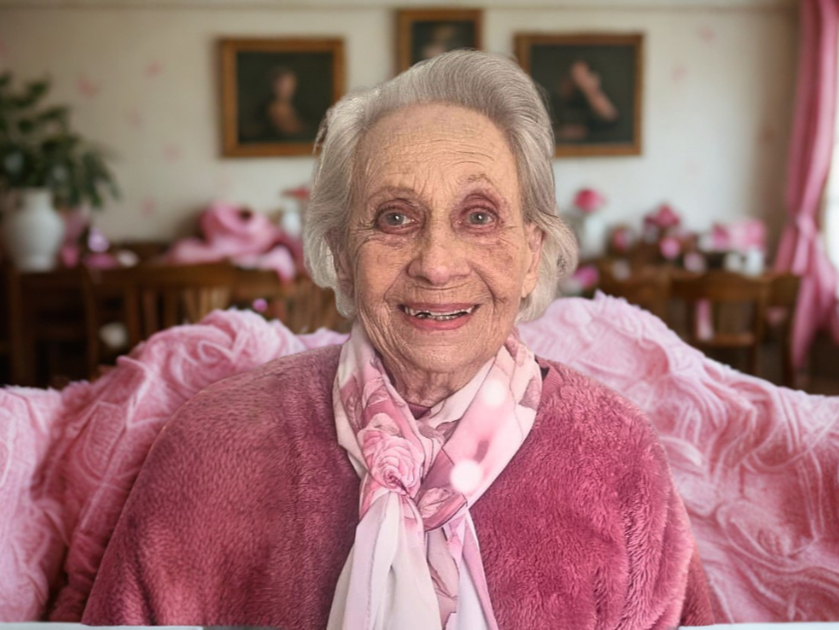
Born in Cape Town in 1925, just after the First World War, she has seen the end of World War II, the end of apartheid, the rise of technology, and the upheaval of COVID-19. She has watched cities transform, social customs disappear, and children swap climbing trees for staring at cell phones. Over the years, life took her across Southern Africa – from Zambia and Rhodesia to Muizenberg, Riversdale and Wellington – before she eventually settled in Somerset West.
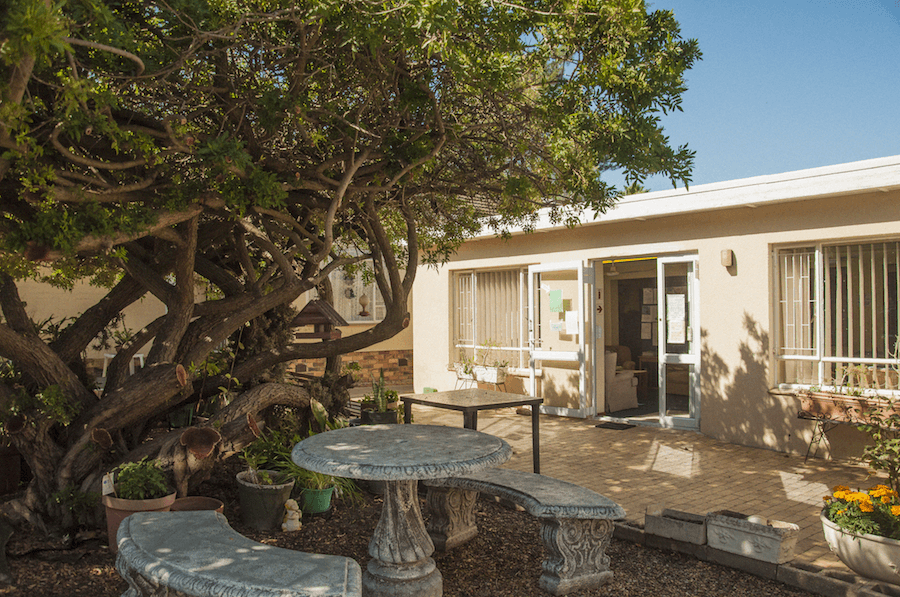
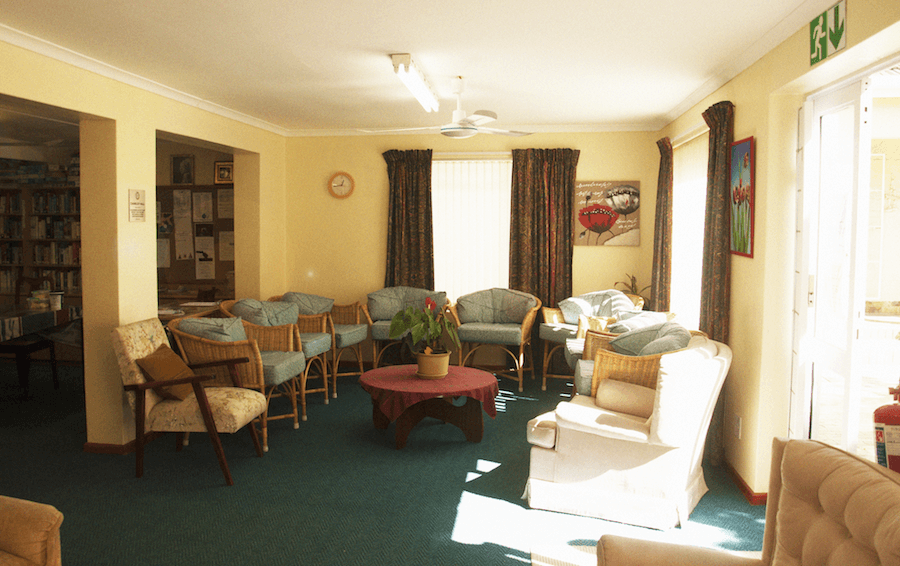
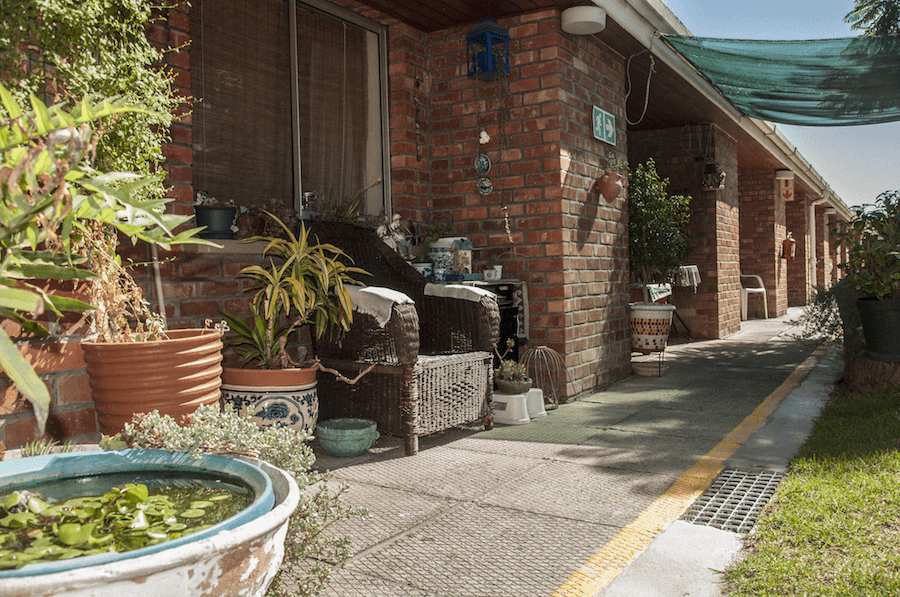
Today, she lives independently in the Helderberg Society for the Aged (HSFA) Camelot community, surrounded by neighbours who have become an important part of her life. “Community means everything,” she says simply. “You have to help people. You have to be kind.”
For Joan, kindness is not grand or complicated. It is greeting people warmly, helping where you can, sharing meals, or simply choosing peace over conflict. “It doesn’t cost very much to be kind,” she says. “Just try to be kind to everybody.”
Lifelong learning has been another constant in Joan’s long life. At 100 years old, she remains deeply curious about the world around her. As she is not necessarily up for an outing every day, her radio is one of her greatest companions, carrying voices and stories into her living room. She listens eagerly to discussions about politics, health, sport, science and world affairs on Radio Sonder Grense. “I’ve learnt so much from the radio. Like the importance of eating egg yolks or new approaches to parenting,” she laughs. “It’s never too late to learn.”
That willingness to keep learning has carried her through an extraordinary century of technological change. Joan worked on some of the earliest bookkeeping machines before computers existed, and today, at almost 101, she still uses a cellphone – cautiously, but determinedly. “I’m scared of pressing the wrong button,” she admits with a smile, “but I still try because I love to get my daily messages from my family around the world, as well as to see the amusing cats that my neighbour sends me – a different one every day.”
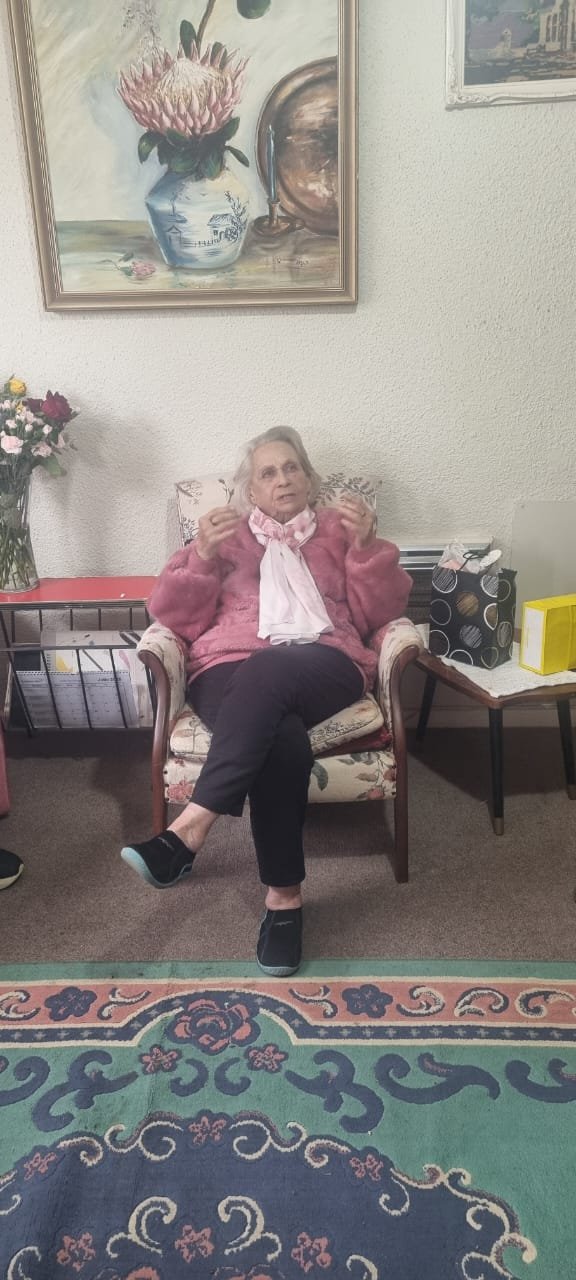
Perhaps one of the clearest threads running through Joan’s story is her love for dancing. As a teenager during World War II, she remembers admiring the sailors and soldiers arriving in Cape Town, longing for the dances and social evenings that filled those years. She also speaks apologetically about how, as one of five daughters, she gave her mother the most headaches because she would often break curfew. She could always have danced all night. Throughout her life, dancing, music, and theatre brought her immense joy, and she still enjoys an outing to the Playhouse Theatre every now and then. “I really enjoyed life; it was a full life,” she says. “I think that’s why I’m content to mostly stay home and reminisce now.”
There is a remarkable gentleness to Joan’s perspective on ageing. Though her eyesight and hearing have faded, she speaks often of gratitude rather than loss. “I’ve got everything I need,” she says. “I’ve got a roof over my head, food to eat, people who care for me, and family who love me. I could spend all day thanking the Lord for everything.”
Her story is a reminder that while the world may change at a dizzying pace, some things still matter just as much as they always have: slowing down enough to notice people, continuing to learn, treating others with kindness, and finding moments of joy wherever we can – whether around a tea table, through a radio speaker, or on a dance floor.